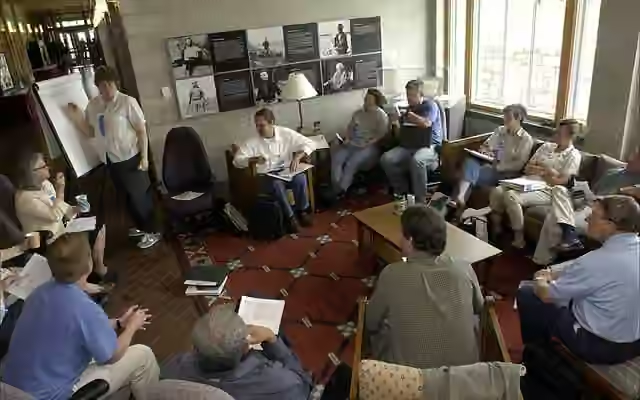
While family systems are inherently complex and shaped by unconscious ancestral and generational influences, family therapy offers a pathway for individuals and families to understand these effects and foster meaningful growth and change. Family therapy has an interesting history and a future shaped by ongoing research, changing societal needs, and the innovation of practitioners. Family therapy has diversified significantly since its emergence in the mid-20th century, with a wide range of approaches and models now available. These include established models like structural, strategic, and Bowen family systems therapy and more specialized methods such as Satir's human validation process model and multicultural family therapy (Corey, 2017). This diversification reflects a growing recognition of the complexity and diversity of families and the need for therapies to be tailored to the unique needs and circumstances of different populations.
Academic Reflection
A key aspect of family therapy that resonates with me the most is recognizing the intergenerational nature of behavior patterns, beliefs, and emotional experiences (Perry, 2013). Individuals are part of a more extensive family system that extends across generations, and our experiences and adaptations today can be influenced by our ancestors' unfinished business, traumas, and patterns. This understanding is central to transgenerational models of family therapy, which emphasize the importance of exploring and addressing inherited patterns to promote healing and change in the present (Roberto, 2016). By acknowledging and working with the intergenerational context, family therapists can help individuals and families break free from limiting cycles, develop more adaptive ways of relating, and create a healthier legacy for future generations.
Personal Reflection
My awareness of the impact of family dynamics started at a young age. While I have many great memories from childhood, my focus has always been on ways to cut the proverbial umbilical cord and break free of the severity of the dysfunction. My first (and only) experience with family therapy was at the start of the 8th grade when my family was summoned to my mother's psychiatrist's office. The adults were told that if they didn’t make arrangements within the family, my sister and I would be put up for adoption by the state of New York. For me, the domino effect of repeated patterns would continue throughout my childhood and beyond.
In my late teens, I was introduced to psychology, the power of the mind, and the ability to change. Then, in my early twenties, I participated in the Hoffman Quadrinity Process®. This experience gave me profound insights into the unconscious ancestral patterns and negative behaviors influencing my life. It also highlighted how I had unconsciously adopted conditioned ways of thinking and behaving from my childhood and family of origin. Despite my commitment to personal growth and self-awareness, I still repeat some limiting family legacies in my marriage dynamic. This realization underscores the power of intergenerational forces and the importance of addressing inherited patterns in family therapy.
Implications for Clinical Practice
Family therapy principles underscore the importance of addressing intergenerational patterns and ancestral influences in clinical practice. By becoming more conscious of how family influences behavior and thinking, people can make positive changes, aligning more fully with their authentic selves and responding to situations with greater awareness and choice. Transgenerational approaches are particularly valuable in working with postmodern families, as they provide a framework for enhancing family cohesion, identity, and well-being by considering the influence of multigenerational factors (Perry, 2013). As Corey (2017) emphasizes, family therapists play a crucial role in helping clients understand how their current relationships and behaviors are shaped by the dynamics of their family of origin and the unresolved issues from previous generations. By exploring and working with these inherited patterns, therapists can help individuals and families break free from limiting cycles (Perry, 2013). These often time brief, therapeutic processes promote greater self-awareness and choice and foster more adaptive, fulfilling ways of relating.
References
Corey, G. (2017). Theory and practice of counseling and psychotherapy (10th edition). Cengage Learning.
Hoffman Institute. (n.d.). The Process. Retrieved November 24, 2024, from https://www.hoffmaninstitute.org/the-process/
Perry, D. L. (2013). Talking circle: A culturally appropriate approach to healing intergenerational trauma within an evidence-based paradigm. California Institute of Integral Studies.
Roberto, L. G. (2016). Transgenerational family therapies. Routledge.